UA in the Military: What Every Service Member Should Know
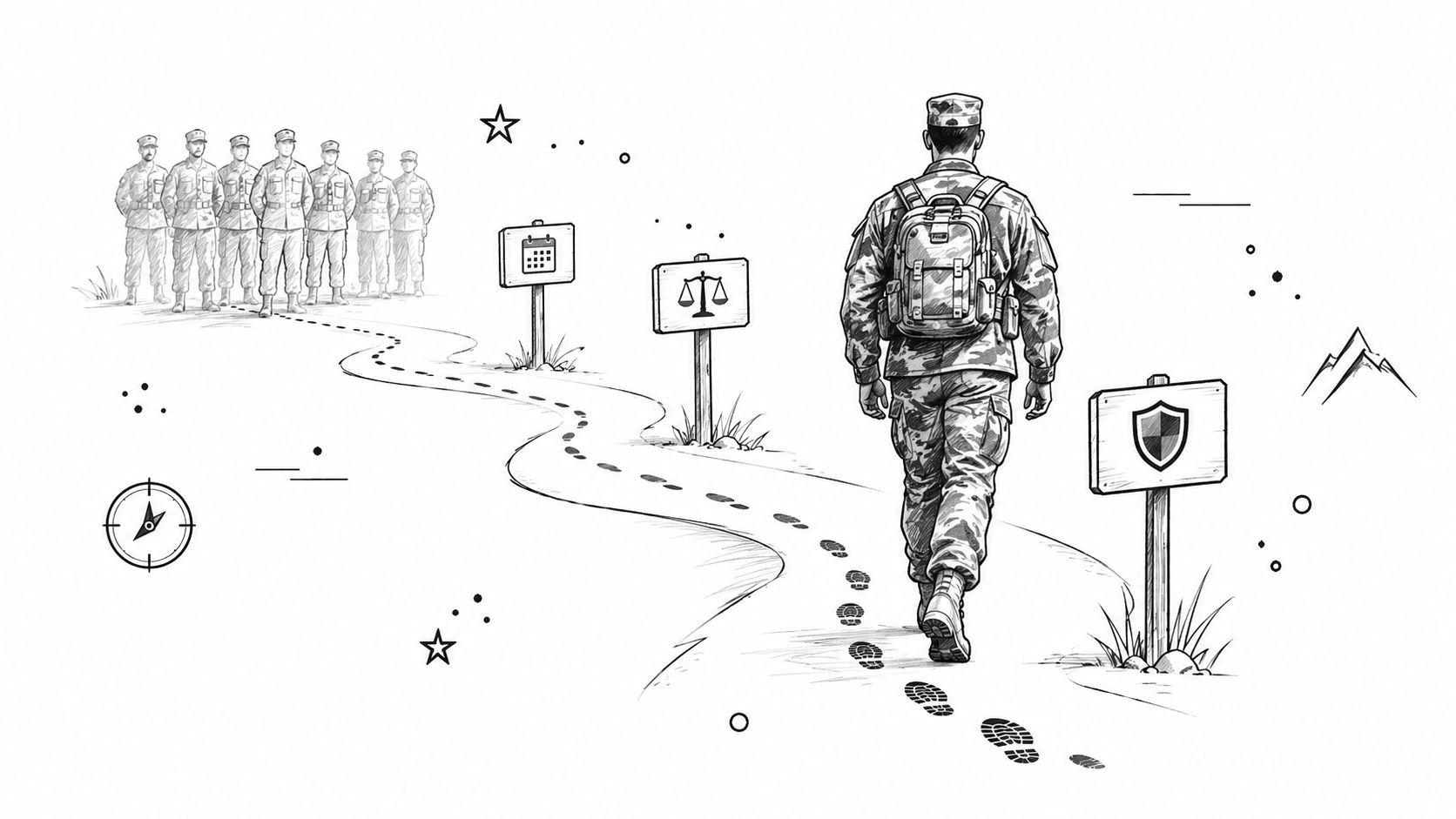
Any unauthorized absence can become a criminal case under Article 86, but the outcome depends on its duration, intent, and how the absence ends, not only on a missed movement. In the Army, a Soldier officially determined to be absent without authority can also lose pay for the unauthorized period, with potential consequences for service … Read more
Military Protective Orders How to Survive and Fight Back

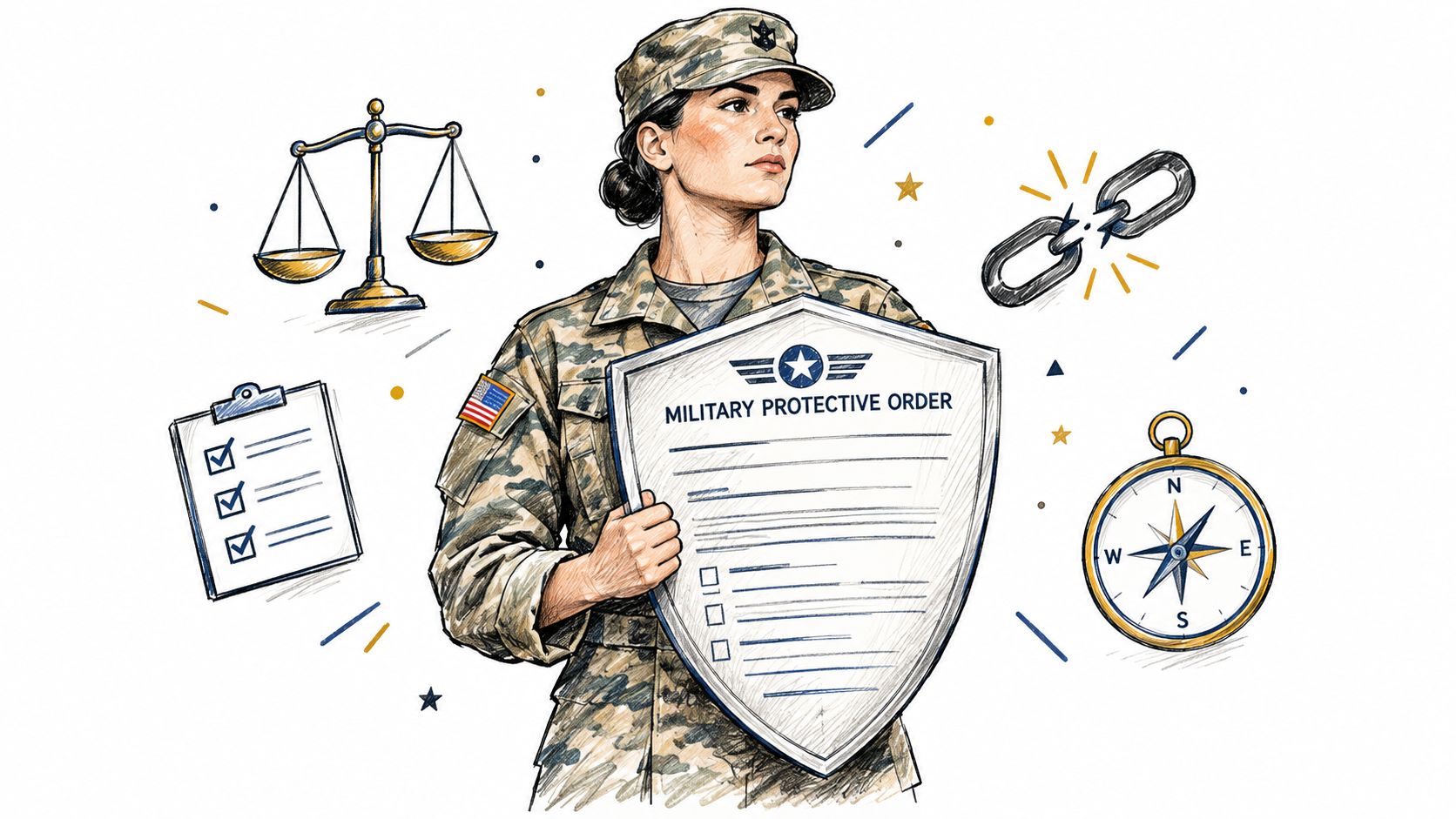
You’re handed DD Form 2873, told to leave your home, and warned not to contact your spouse, partner, or child. Then someone mentions investigators, Article 15, court-martial, or separation. Your career, security clearance, housing, family access, and reputation can all feel exposed at once. A military protective order is serious, but panic creates bad evidence. … Read more

Military Records Correction Lawyer Guide

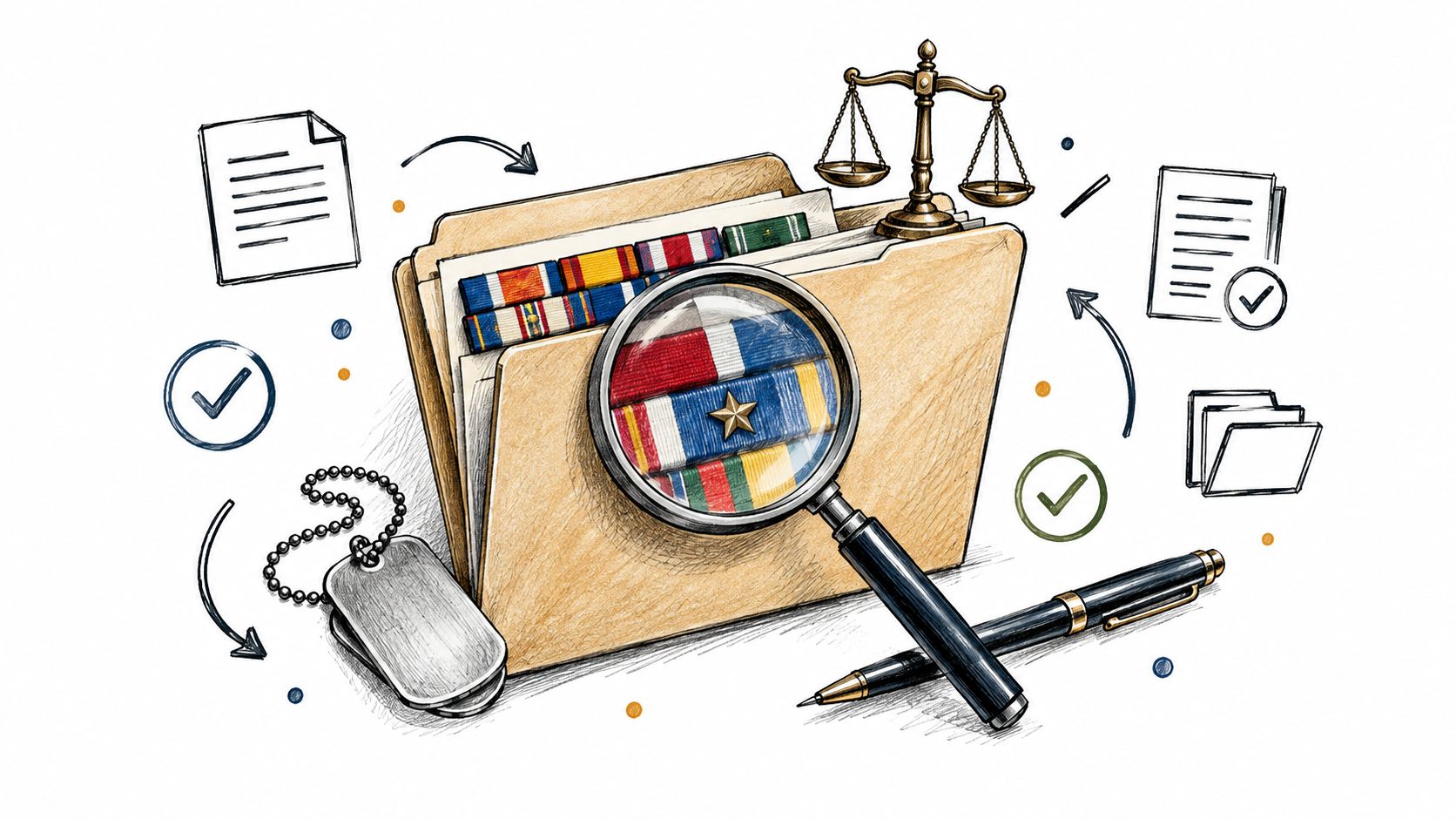
You discover that an old reenlistment code is blocking a job. A negative evaluation is damaging your professional reputation. A discharge characterization is affecting benefits, licensing, or a security clearance. The record may be years old, but employers and agencies are judging you by an entry that may never have been accurate. A military records … Read more

Adjudication for Security Clearance: How It Actually Works

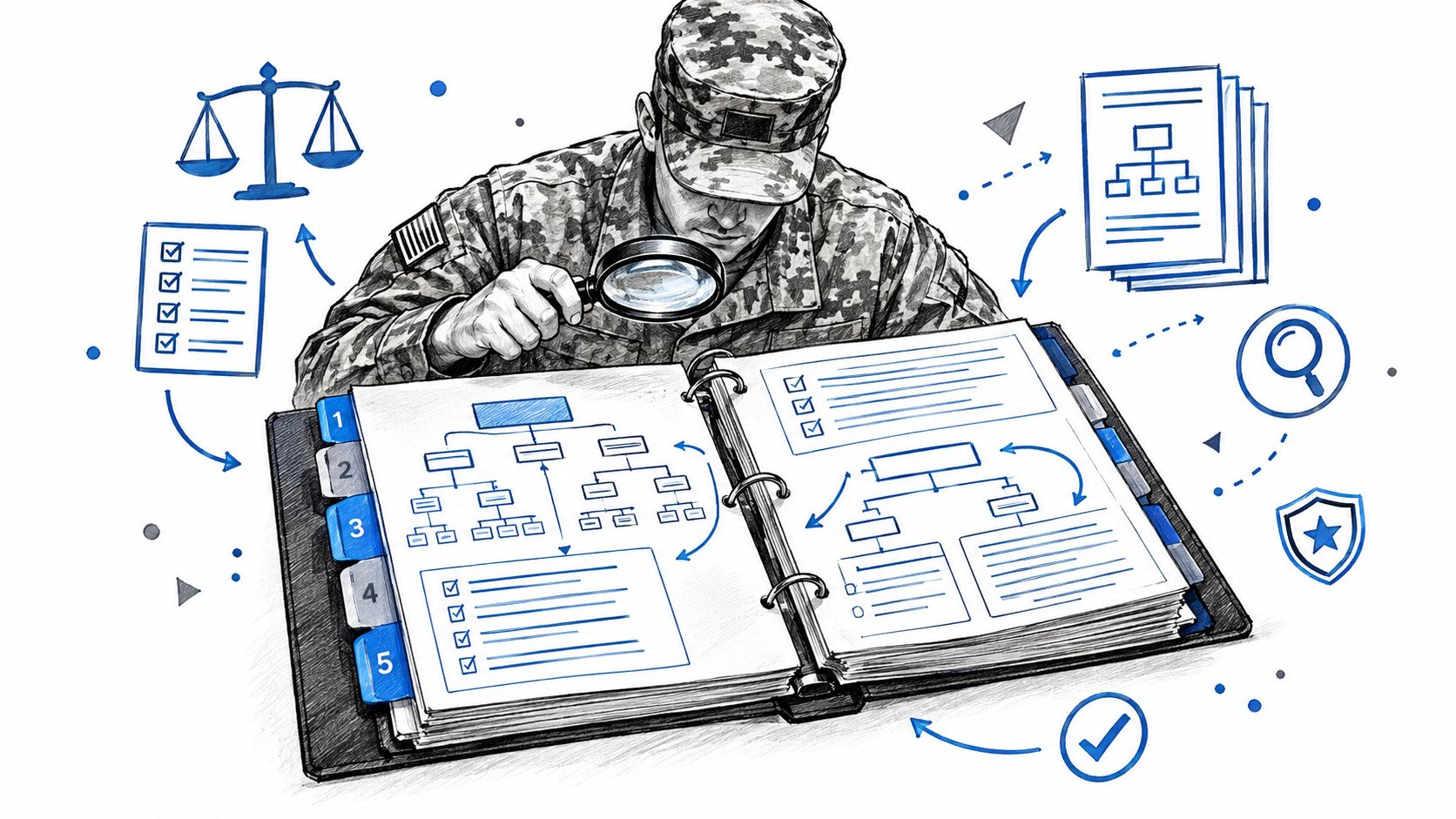
You’re told your security clearance is “still pending,” your command won’t explain what happens next, and an important duty assignment or promotion is waiting on a decision. Then an investigator calls, a discrepancy appears in your records, or a Statement of Reasons arrives in the mail. At that point, many service members assume the process … Read more

Article 92 UCMJ Explained: Legal Guide for Service Members

Article 92 UCMJ covers three forms of misconduct: failing to obey a lawful general order or regulation, knowingly disobeying another lawful order, and being derelict in assigned duties. Depending on the theory charged, the exposure can reach two years of confinement and a dishonorable discharge, or lesser but still career-ending punishment. You may be reading … Read more

Chapter 10 Discharge Military: What Every Soldier Must Know

Your commander has just told you that court-martial charges are coming, and someone has placed a Chapter 10 packet in front of you. You may be exhausted, angry, or convinced that signing will make the problem disappear. It won’t. A Chapter 10 discharge can avoid a court-martial, but it can also shape your military record, … Read more

UCMJ Article 31 Explained: Your Rights Before You Talk

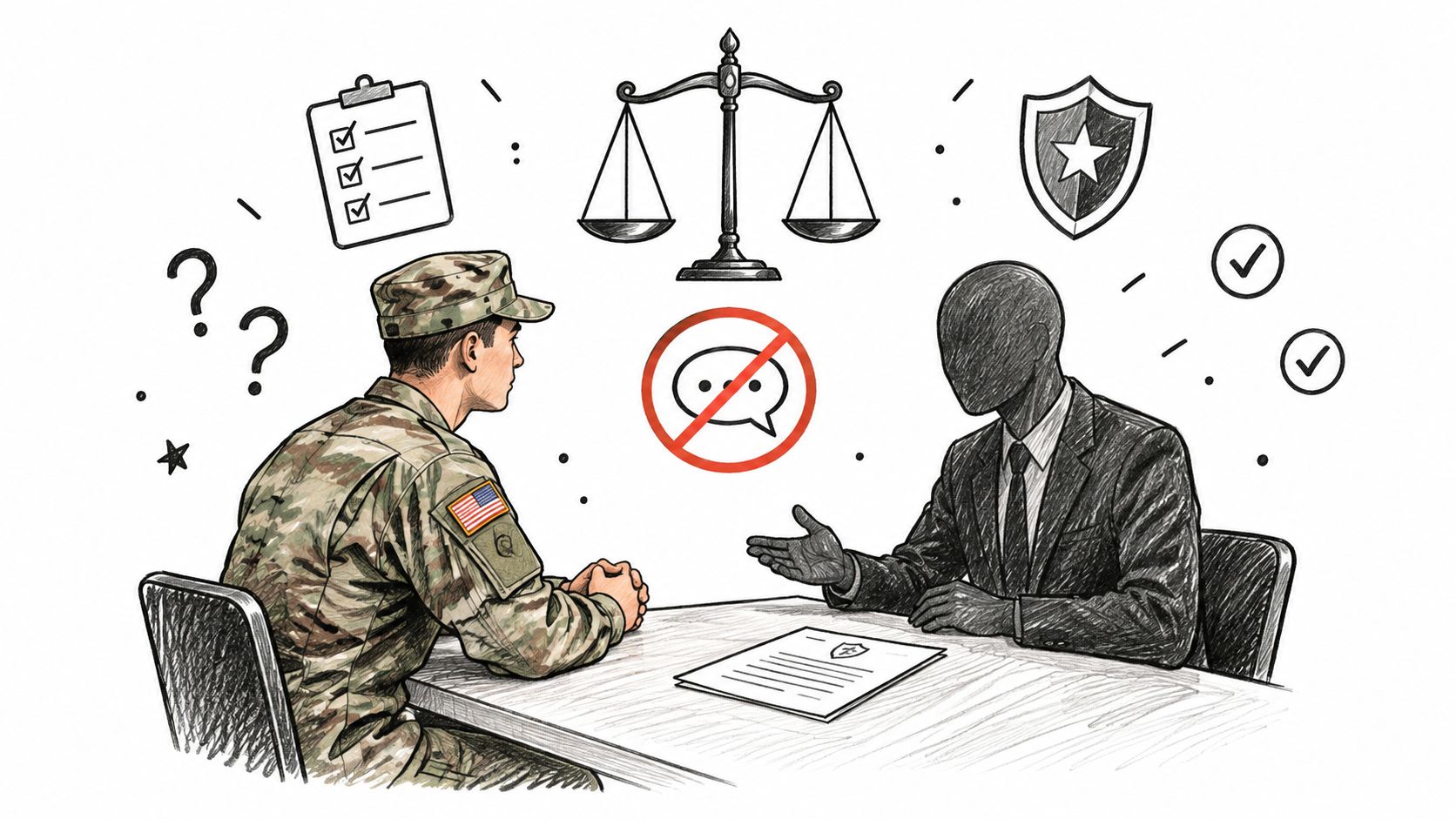
You get a call from your squad leader. “Come by the office and explain what happened.” No rights warning. No charge sheet. No investigator in the room. Just a closed door, a superior, and a request that sounds easy to satisfy. That is how many military cases begin. A CID, NCIS, OSI, or CGIS interview … Read more

Unlawful Military Orders: A Defense Guide

The most popular advice about unlawful military orders is also the most dangerous: “Just refuse anything you think is illegal.” That slogan leaves out the part that can cost you your liberty, rank, clearance, and career. A clearly criminal command must be rejected, but a disputed order can place you between immediate disciplinary action and … Read more

Article 15 NALC Explained: Your Rights and Next Steps

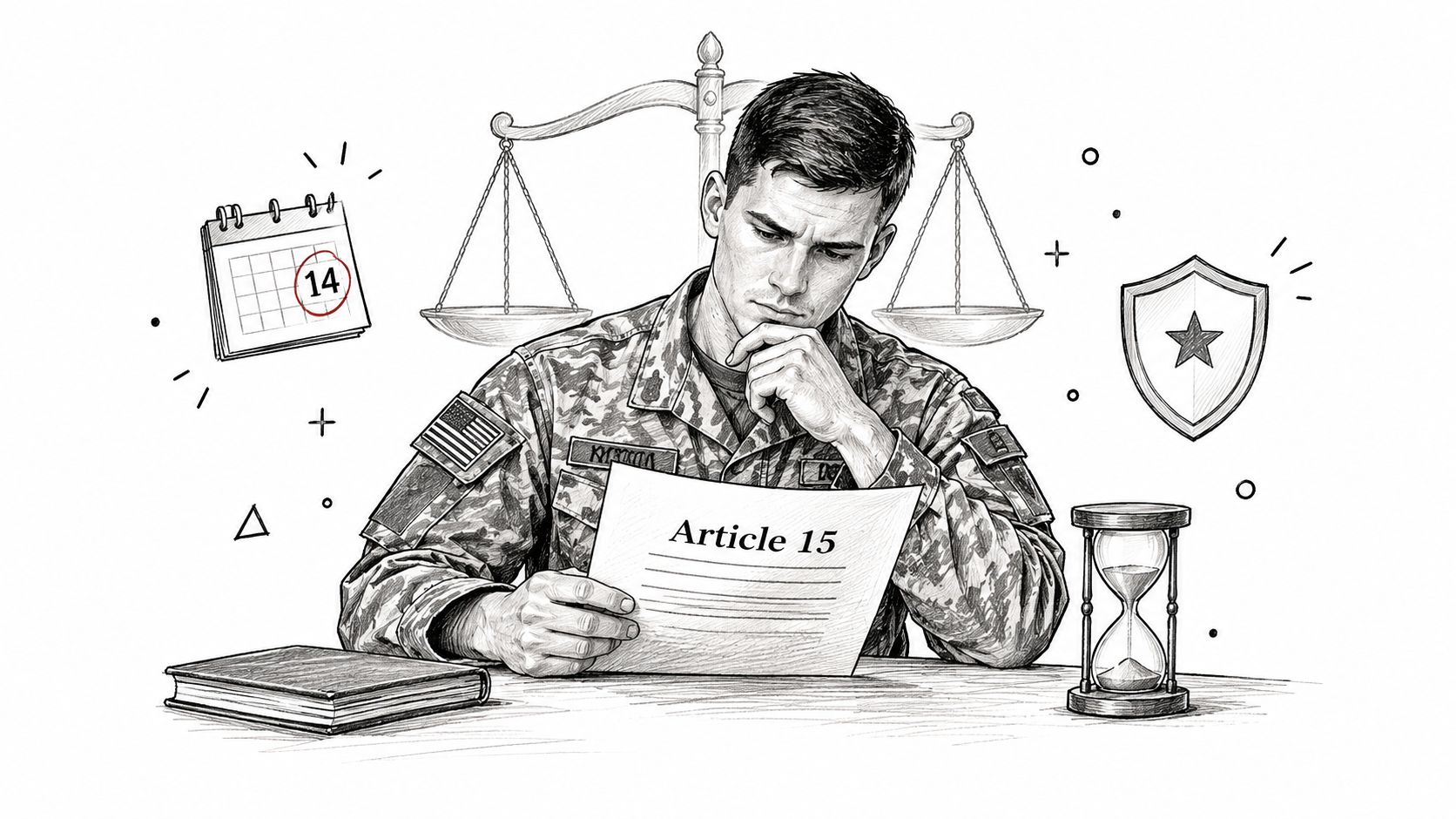
Your commander tells you an Article 15 is coming. Your stomach drops, and someone nearby says, “It's just an Article 15.” Ignore that advice. The next decisions can affect pay, rank, evaluations, security clearance, reenlistment, and separation. The phrase “Article 15 NALC” creates a serious search problem because it combines two unrelated legal systems. The … Read more

Defense of Duress in the UCMJ: A Lawyer’s Playbook

Under R.C.M. 916(h), duress is available as an affirmative defense to nearly any UCMJ offense except killing an innocent person, but only when unlawful human coercion caused the act, the apprehension involved immediate death or serious bodily injury, the fear continued during the offense, and no reasonable escape existed. Once the defense is reasonably raised, … Read more