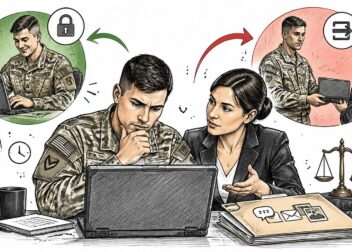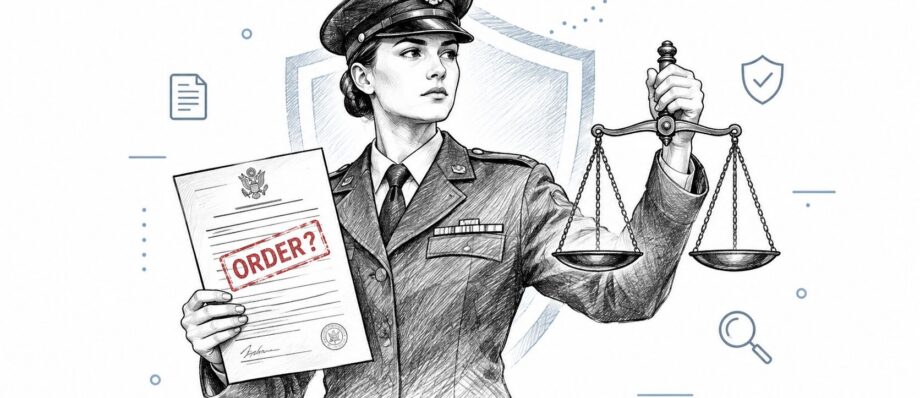
The most popular advice about unlawful military orders is also the most dangerous: “Just refuse anything you think is illegal.” That slogan leaves out the part that can cost you your liberty, rank, clearance, and career. A clearly criminal command must be rejected, but a disputed order can place you between immediate disciplinary action and a later legal ruling by a military judge.
The military justice system doesn't decide every question in real time. The judge may determine whether an order was lawful only after you've obeyed or refused, investigators have taken statements, and command has built a case file. You carry the immediate personal risk. That's why handling questionable orders requires more than courage or internet advice. It requires disciplined judgment, documentation, and prompt advice from a military defense lawyer.
Table of Contents
- The Dangerous Myth of Automatic Refusal
- Legal Standards for Lawful and Unlawful Commands
- Tactical Steps for Documenting and Reporting
- Combat Operations Versus Personal Conduct Disputes
- Court-Martial Defenses and Mitigation Strategies
- Critical Mistakes to Avoid When Facing Questionable Orders
- Why Independent Civilian Counsel is Essential
The Dangerous Myth of Automatic Refusal
A superior's rank doesn't make every command lawful. But your personal belief that an order is wrong doesn't automatically make refusal lawful either. That distinction is where service members get hurt.
The post-World War II Nuremberg Principles established the modern rule that following a government or superior's order doesn't erase individual responsibility when the person had a moral choice. Principle IV, adopted by the United Nations International Law Commission in 1950, made personal accountability central to military obedience. The rule is especially important for orders directing genocide, crimes against humanity, or serious war crimes, where the criminal character should be apparent. The International Committee of the Red Cross explanation of Principle IV identifies it as a foundational statement of the superior-orders doctrine.
That principle doesn't mean every disputed command must be rejected on the spot. Modern international criminal law recognizes a narrower defense under Article 33 of the Rome Statute when the accused had a legal obligation to obey, didn't know the order was unlawful, and the order wasn't manifestly unlawful. The practical line is demanding: obvious criminality is one thing; a debatable policy, unclear instruction, or questionable exercise of authority is another.
The gray area creates the immediate danger
Military personnel generally operate under a presumption that orders are lawful. A service member who disobeys does so at personal peril, even though that presumption has limits. The lawfulness question can later become a legal issue for the military judge, but the member may face questioning, adverse paperwork, an Article 15, administrative separation, or court-martial proceedings before that ruling arrives.
Practical rule: Don't confuse “I strongly disagree” with “a reasonable service member would recognize this command as criminal.”
An order to falsify evidence, deliberately attack protected persons, or commit another obvious crime presents a radically different problem from an order that is harsh, embarrassing, politically controversial, or arguably beyond sound policy. Refusal based on personal policy disagreement can become the government's evidence of willful disobedience.
The safe response to uncertainty is not passive compliance and not theatrical refusal. Seek clarification, preserve the exact facts, use available legal channels, and contact defense counsel before making a decision that command may characterize as insubordination.
Legal Standards for Lawful and Unlawful Commands
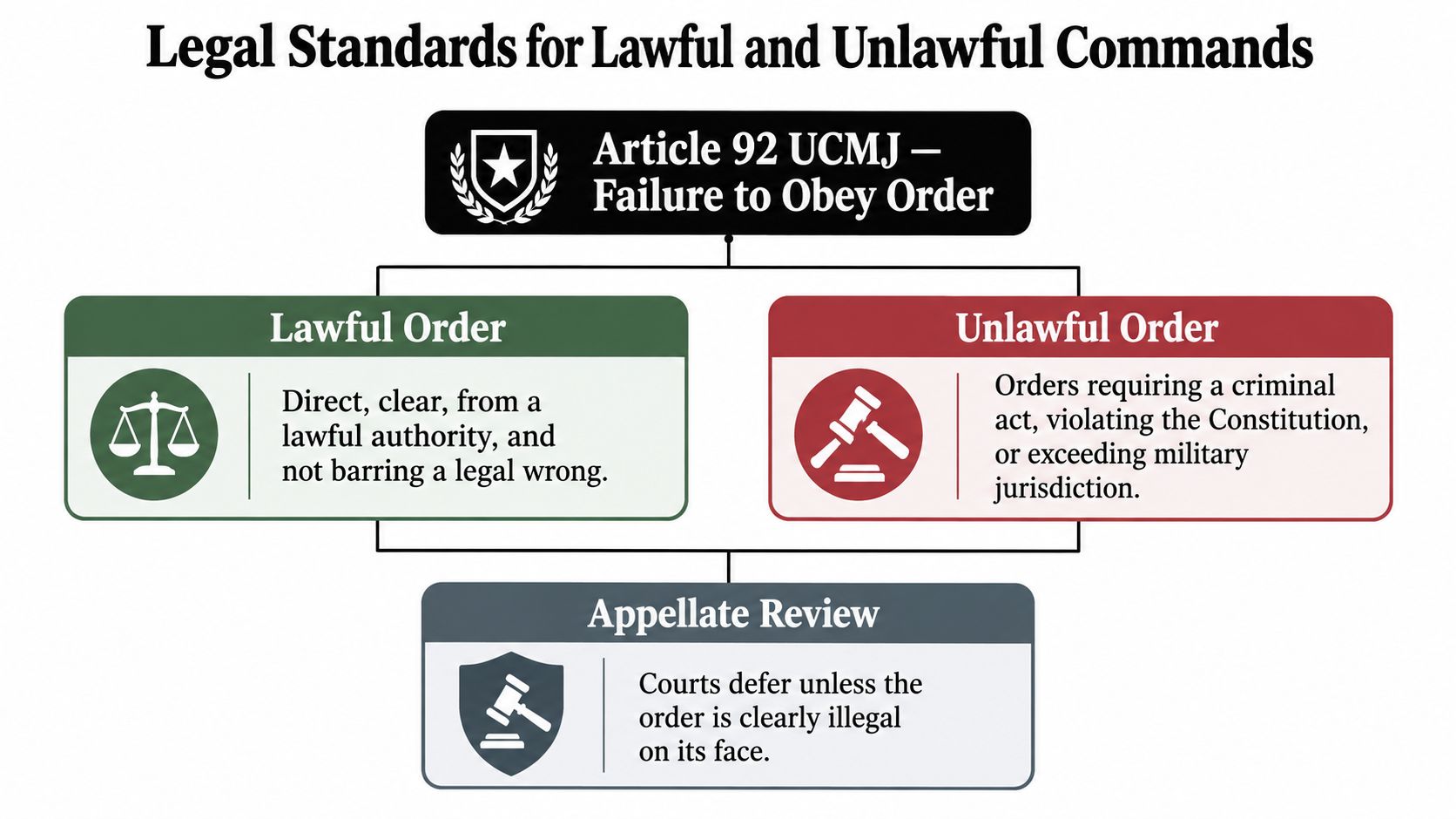
Article 92 of the Uniform Code of Military Justice punishes failure to obey or enforce a lawful order, not an unlawful one. The statute contains distinct theories involving a lawful general order or regulation, another lawful order the member had a duty to obey, and dereliction of assigned duties. Lawfulness is therefore not a side issue. It's central to the charge.
The Court of Appeals for the Armed Forces identifies three essential attributes of a lawful order:
- Competent authority: The issuer must possess authority to give the command.
- Specific mandate: The order must communicate a specific act to do or refrain from doing.
- Military duty: The command must relate to a military duty and serve a valid military purpose.
The order must also be clear, narrowly drawn, and reasonably necessary to accomplish a mission or protect morale, discipline, good order, or operational usefulness. It cannot conflict with the Constitution, statutes, regulations, or superior lawful orders. A command may fail because the issuer lacks authority, the instruction is vague, the scope is arbitrary, or the purpose is private rather than military.
The Article 92 checklist
When reviewing a questionable command, ask:
- Who issued it? Was the person authorized to direct you?
- What exactly were the words? A general expectation differs from a specific mandate.
- What military duty was involved? The connection must be more than a superior's personal preference.
- What purpose did it serve? A valid mission, discipline, morale, or good-order purpose matters.
- Did it require unlawful conduct? A command cannot authorize a crime or override higher law.
- Was it reasonably limited in scope? Overbroad or arbitrary restrictions create a serious lawfulness issue.
The prosecution must establish a lawful order, the required knowledge, and a failure to obey or enforce it. A vague accusation that you “failed to follow instructions” doesn't identify which Article 92 theory applies or prove the underlying command was enforceable.
The UCMJ Article 92 legal framework is useful for identifying the specific elements and order requirements. But online information isn't a substitute for counsel reviewing your actual order, the issuing authority, and the surrounding facts.
Private conduct requires a military nexus
Orders affecting personal affairs receive careful scrutiny. In United States v. Padgett, the Court of Appeals for the Armed Forces held that an order regulating private conduct must serve a valid military purpose and have a reasonable connection to mission accomplishment, morale, discipline, usefulness, or good order. The fact that an order affects off-duty conduct doesn't decide the issue. The purpose, tailoring, and authority do.
Tactical Steps for Documenting and Reporting
Your first reaction to a questionable order can determine whether you later look like a careful service member or a defiant subordinate. Don't argue emotionally, don't embellish, and don't rely on memory.
Step 1. Request clarification respectfully
Ask for the order to be repeated or clarified. Keep your language professional and focused on execution:
- “To confirm, are you directing me to do this specific act?”
- “What is the applicable policy or authority?”
- “I'm concerned about the legal effect. May I consult the command legal advisor before execution?”
A clarification request isn't the same as a refusal. It creates a record that you sought to understand the command and may reveal whether the issuer intended a lawful, limited instruction or something broader.
Step 2. Record the facts immediately
Write down the date, time, location, exact words, issuer, witnesses, mission context, and your response. Note whether the command was verbal, written, transmitted by text, or delivered through another person. Don't turn a factual log into an angry essay. Courts and investigators care about precision.
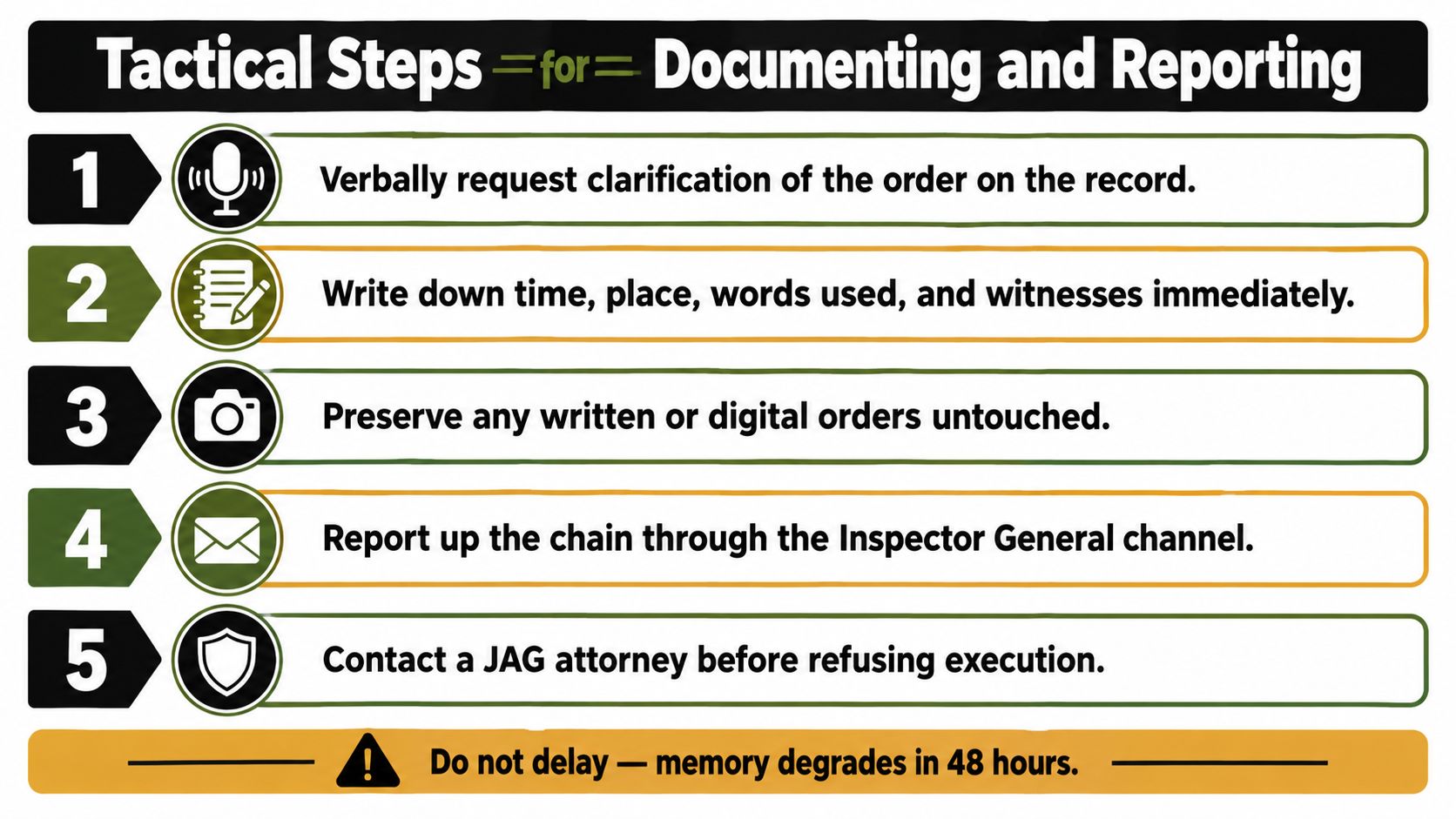
Step 3. Preserve the original evidence
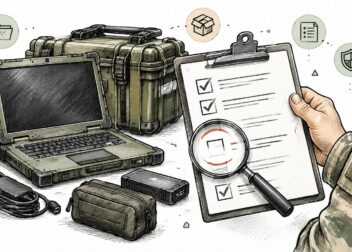
Keep emails, texts, taskers, written directives, screenshots, rosters, and related records in their original form. Don't delete messages, alter files, or forward sensitive material to unofficial channels. Identify witnesses while memories are fresh, but don't coordinate stories.
Organizations that need a structured way to preserve operational accounts can review tools to manage incident reports with BoloSign from Closer Innovation Labs Corp. A reporting tool doesn't replace legal advice, and you must follow your command's security and records rules.
Step 4. Escalate through proper channels
Use the chain of command, Inspector General channels, command legal advisors, or other established reporting mechanisms as appropriate. The military investigations guidance on 15-6 investigations can help explain how an inquiry may develop, but your specific reporting route depends on the command, subject matter, and operational urgency.
Step 5. Contact counsel before refusing execution
A JAG attorney can provide important advice, but a serious investigation may require independent civilian defense counsel. Don't wait until after you refuse, sign a statement, or become the subject of an investigation.
A short visual reminder is useful, but it doesn't answer the legal question in your case:
If the order is facially criminal, stop and obtain immediate legal help. If the issue is uncertain, don't manufacture a confrontation. Preserve the facts and get advice before taking an irreversible step.
Combat Operations Versus Personal Conduct Disputes
Context changes the legal analysis. A combat order directing conduct prohibited by international humanitarian law is not evaluated the same way as an order regulating a service member's private affairs.
The International Committee of the Red Cross identifies distinction, proportionality, and precautions as core rules governing hostilities. Forces must distinguish civilians and civilian objects from combatants and military objectives, avoid attacks expected to cause excessive civilian harm compared with the anticipated military advantage, and take feasible measures to reduce foreseeable harm. An order to intentionally target protected persons, attack a civilian object without a valid military objective, or use prohibited force isn't made lawful by urgency or rank.
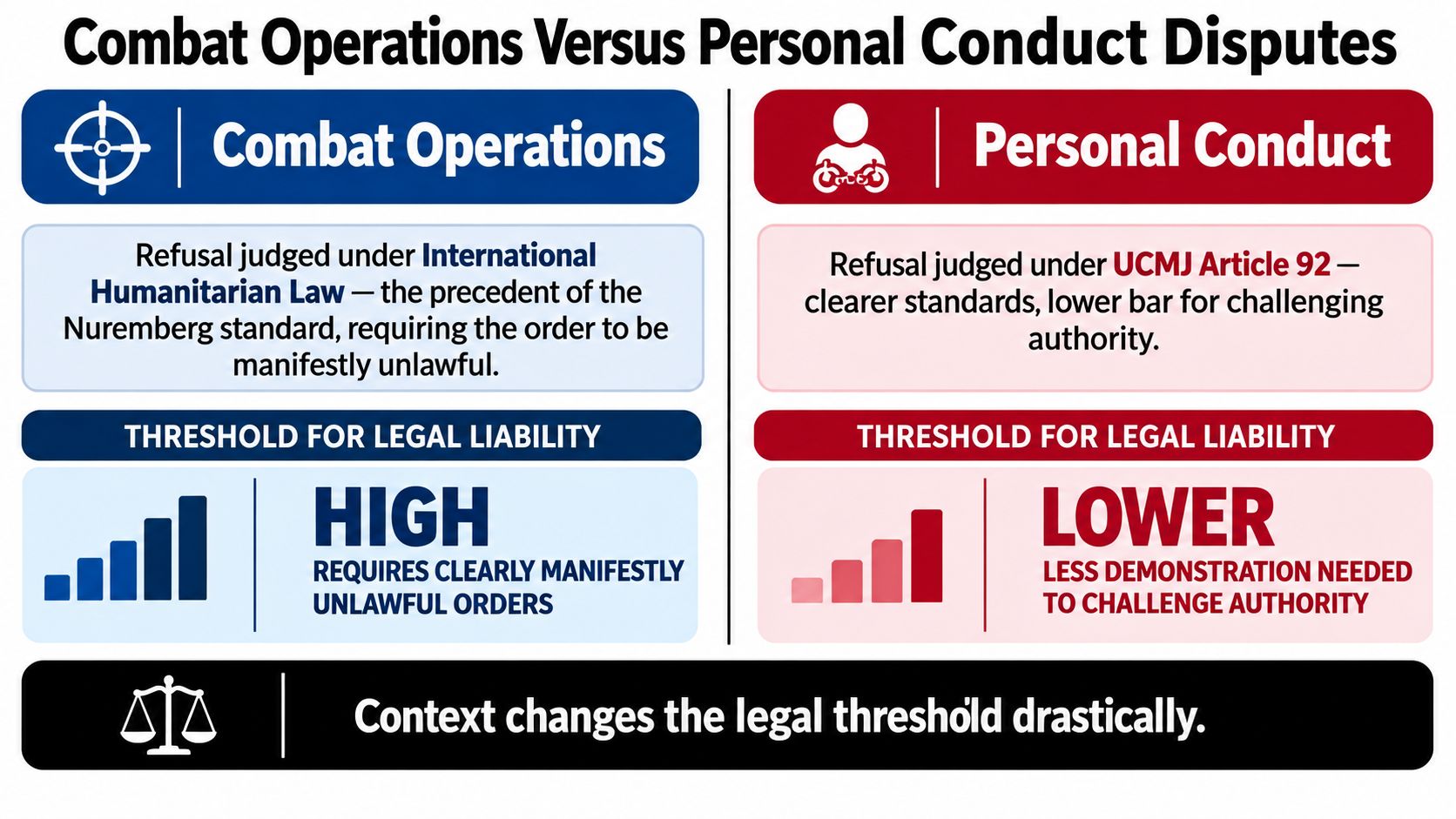
Combat orders
The refusal threshold is tied to manifest illegality. Orders to commit obvious war crimes, such as intentionally attacking civilians or other protected persons, present the clearest category. The law places individual responsibility on the person who carries out a command when the criminal nature should be apparent.
That doesn't require a service member to perform an on-the-spot law review of every complex targeting decision. It does require attention to facts that make the illegality obvious, including the status of the target, the available intelligence, the stated objective, the expected civilian harm, and whether the order directs conduct prohibited by the law of armed conflict.
Personal conduct orders
Private-affairs disputes often turn on authority, purpose, scope, and tailoring. A commander may issue a protective order connected to discipline or good order, even if the member hasn't yet engaged in the prohibited conduct. But an order serving only a private purpose, imposing arbitrary control, or lacking a genuine military nexus may be unlawful.
The defensive strategy differs as well. In a combat case, preserve the rules of engagement, intelligence picture, collateral-damage analysis, communications, and timing. In a personal-conduct case, preserve the order's text, the stated military purpose, applicable regulations, the issuing authority, and the facts showing whether the restriction was reasonably suited to its purpose.
The question isn't whether the order felt unfair. The question is whether the command required conduct the law forbids or lacked the military purpose needed to bind you.
Court-Martial Defenses and Mitigation Strategies
Once Article 92 charges are preferred, the case becomes a fight over elements, proof, and credibility. The government must identify the exact order and statutory theory. It must prove lawfulness, knowledge, and the accused's duty to obey where the charged theory requires it.
The military judge determines lawfulness as a legal issue. The prosecution still bears the burden of proving the elements beyond a reasonable doubt before a conviction can stand. That gives defense counsel a precise target rather than a general argument that the command was “unfair.”
Attack the order itself
An experienced court-martial attorney will demand the original language and surrounding context. Was the alleged command written or verbal? Did the issuer give a specific mandate? Was the instruction modified later? Did witnesses hear the same words? Did the command concern an assigned military duty?
The defense should test:
- Authority: The issuer lacked power to give the order.
- Specificity: The instruction was ambiguous, informal, or internally inconsistent.
- Military nexus: The command had no reasonable connection to mission, discipline, morale, usefulness, or good order.
- Scope: The order was arbitrary, unreasonable, or broader than necessary.
- Higher law: The conduct conflicted with constitutional or statutory rights.
- Knowledge and duty: The accused didn't know the required facts or lacked a legal duty to obey.
A command's alleged purpose isn't enough. The government must connect the order to a legitimate military objective and prove the legal requirements through admissible evidence.
Expose credibility and evidence failures
Order cases often depend on conversations that occurred quickly, in noisy environments, with multiple people understanding the words differently. That makes credibility central. Counsel should compare statements, identify changed accounts, examine incentives to protect the issuer, and determine whether the witness could hear or observe the exchange.
Digital evidence can help or hurt. Metadata, message timing, edits, deleted threads, and inconsistent copies may show whether the prosecution's version is complete. Don't assume the absence of a written order helps you. It can create a he-said, she-said dispute, and the government may use witnesses to fill the gap.
For broader evidence-preservation thinking, a resource on IamVera.AI claimant defence strategy discusses organizing evidence and testing competing accounts. It isn't military legal advice, but the underlying discipline is sound: preserve original records, track provenance, and separate facts from conclusions.
Use mitigation when the legal line remains disputed
A case may involve an order that was ambiguous without being clearly criminal. Counsel can use the circumstances to challenge intent, explain reasonable reliance, present the member's effort to clarify, and show the pressure created by the chain of command. Mitigation doesn't transform an unlawful act into a lawful one, but it can matter when the court evaluates culpability and punishment.
Critical Mistakes to Avoid When Facing Questionable Orders
Most defensive damage happens before the first courtroom hearing. Service members talk, speculate, delete messages, or stage a public refusal, then discover that investigators have a cleaner record than they do.
Mistakes that create avoidable exposure
- Talking to CID, NCIS, OSI, or CGIS without counsel: You can be cooperative without answering substantive questions before consulting a lawyer. Investigators may already have your messages, witnesses, and access records.
- Trusting command to “handle it”: Command has mission and discipline responsibilities. It isn't your personal defense team.
- Relying on social-media advice: Posts flatten difficult distinctions between manifest criminality, ambiguity, and policy disagreement. They don't account for your order, authority structure, or evidence.
- Refusing publicly before seeking review: A dramatic refusal can create witnesses, recordings, and an insubordination narrative before counsel can assess the command.
- Failing to preserve exact wording: Paraphrasing later can make a precise defense look like a convenient revision.
- Deleting unofficial messages: Deletion may create spoliation concerns and make investigators think you're hiding evidence.
- Assuming no written order means no case: Witness testimony, logs, recordings, and follow-on actions can establish an alleged command.
- Confusing unfairness with illegality: A burdensome or unpopular order may still be lawful if it satisfies Article 92 requirements.
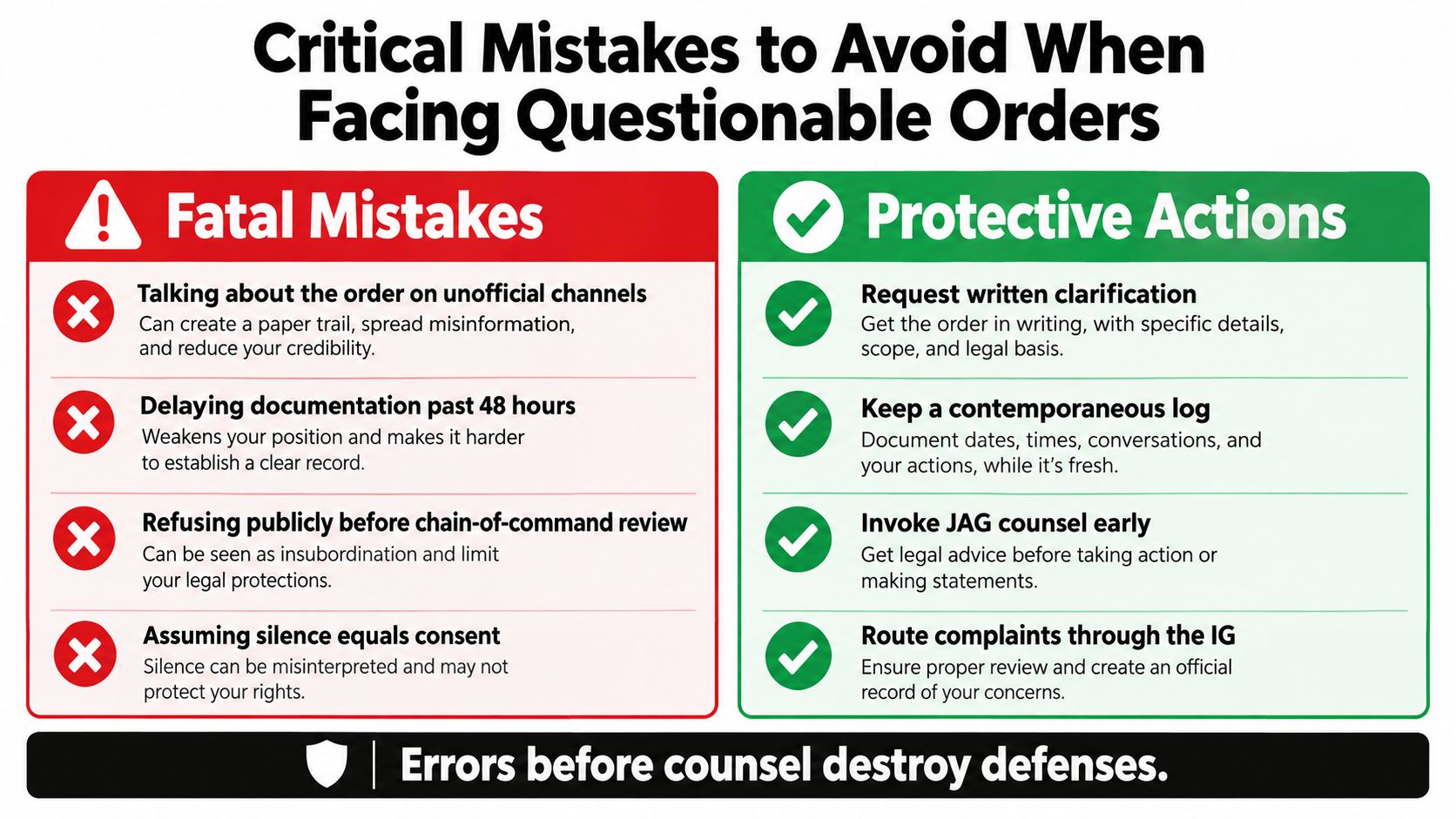
The protective pattern is simple: document contemporaneously, preserve originals, ask focused questions, use established reporting channels, and obtain counsel early. Don't create a second allegation while trying to defend against the first.
Why Independent Civilian Counsel is Essential
Appointed military defense counsel can provide capable representation, but they work inside the military system and carry heavy caseloads. In a serious Article 92 case, you need a lawyer who can independently investigate the command, challenge authority, examine witnesses, preserve digital evidence, and prepare for trial without treating the chain of command as the client's ally.
Civilian court-martial attorneys bring a different kind of independence. They aren't evaluated through your command structure, and they can devote resources to a focused defense strategy involving the order's wording, military purpose, credibility disputes, and investigative gaps. That independence matters most when the issuer is senior, the allegations are politically sensitive, or the command wants a quick resolution.
Investigations aren't neutral simply because they use official forms and professional language. The first narrative often becomes the case theory.
Families should act early, not after preferred charges arrive. A lawyer can help preserve records, control communications, identify witnesses, and prevent an avoidable statement from becoming the centerpiece of the government's case. Readers comparing legal careers and courtroom work may find general background in becoming a criminal defense attorney in 2026, but military justice demands specialized experience with the UCMJ, court-martial procedure, and command evidence.
Use a qualified court-martial defense lawyer and compare counsel's actual trial experience, branch familiarity, communication practices, and strategy. The UCMJ Lawyer Directory is one directory that presents attorney profiles and professional information for people researching civilian military defense options; it doesn't guarantee an outcome, so evaluate lawyers directly.
If you're under investigation, received a questionable command, or face an Article 92 allegation, contact independent civilian counsel now. Don't give investigators a statement, delete records, or publicly refuse an order before you understand the legal risk. Your career, freedom, reputation, and clearance may depend on the decisions you make before a military judge ever rules on whether the order was lawful.