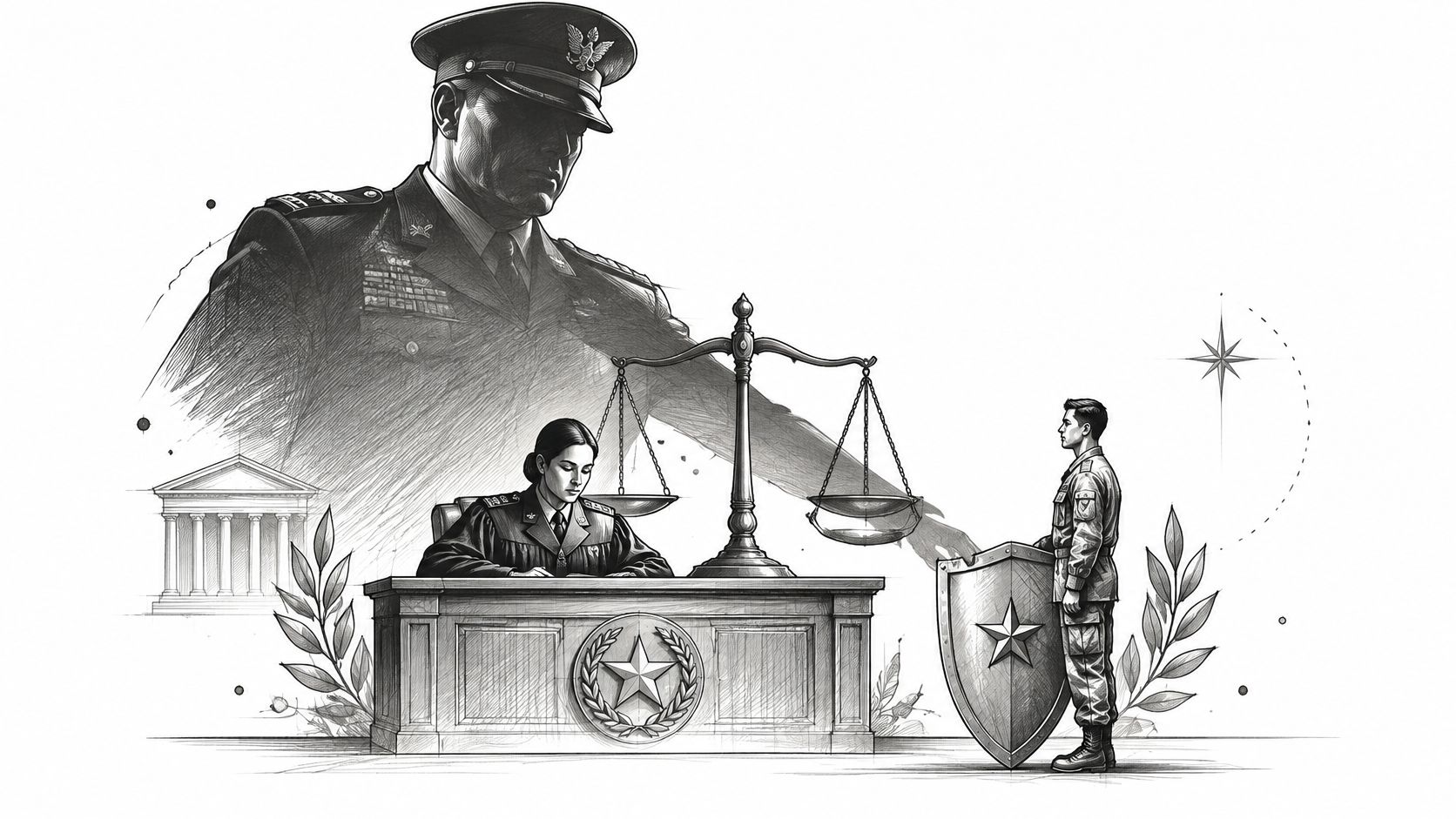
Rules for Court Martial: A Defense Guide to the MCM

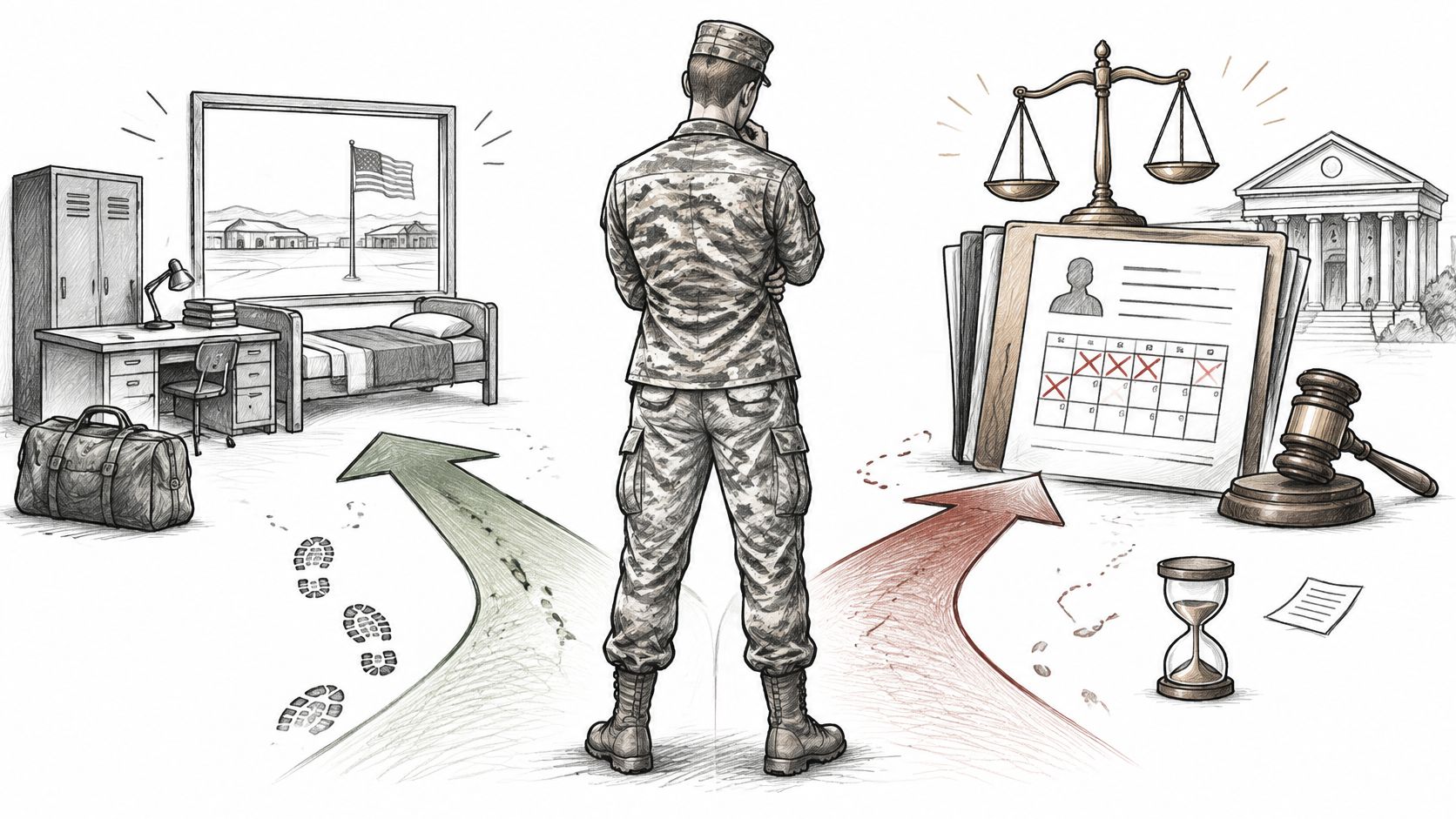
Your command tells you to report for an interview, or a charge sheet arrives while your family is still trying to understand the allegation. You’re wondering whether you’ll lose your career, face confinement, or be able to explain what happened before someone makes a decision. The rules for court martial start with three questions: which … Read more


UCMJ Article 124 Explained: Fraud, Maiming and Punishments

A charge sheet that says UCMJ Article 124 can describe two completely different crimes, and the number alone tells you almost nothing. For conduct before January 1, 2019, that article was maiming. For conduct on or after that date, it is fraud against the United States. Quote the wrong version and you quote the wrong … Read more

Navy Administrative Separation Process: Steps and Rights

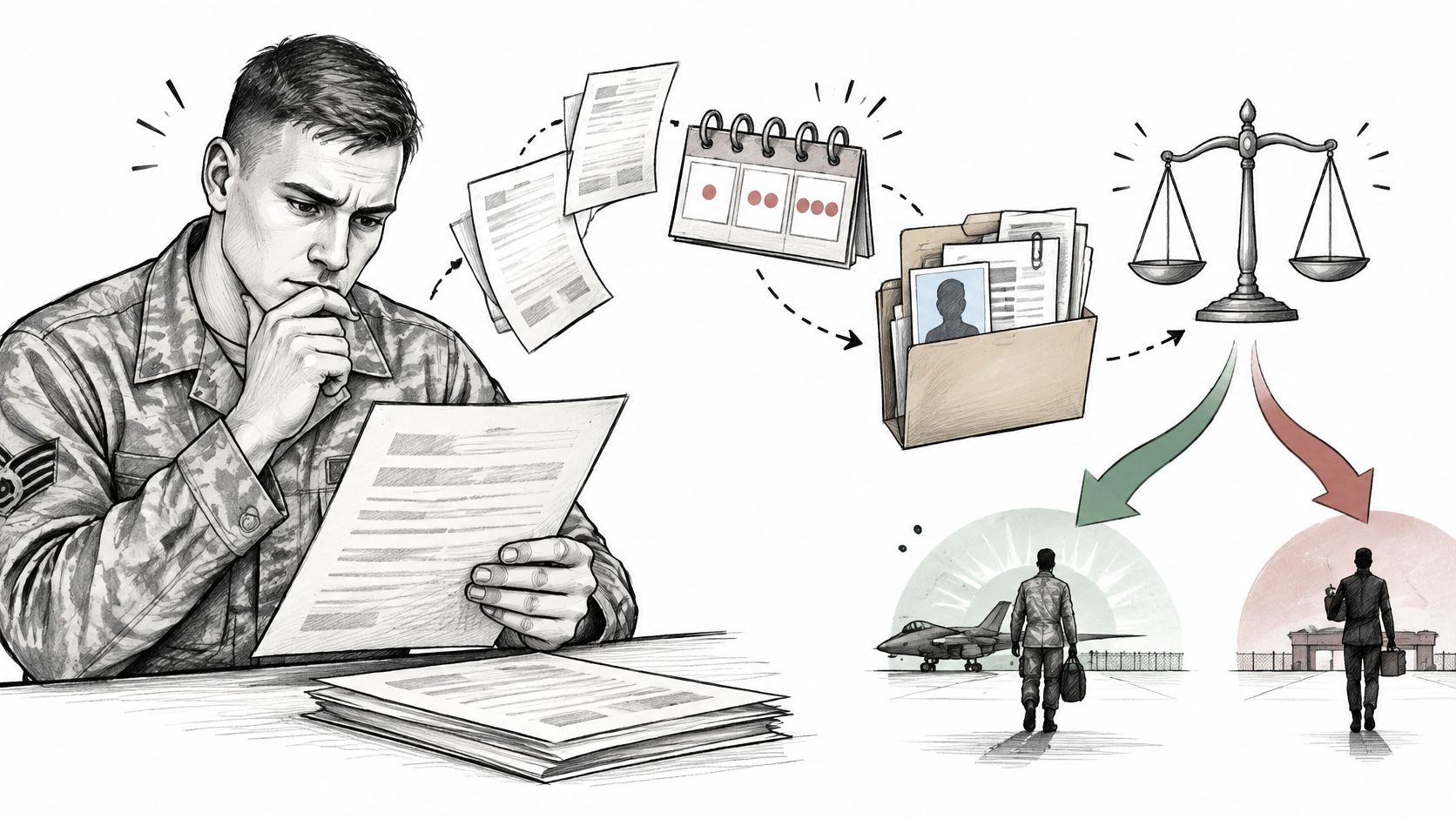
You're sitting in legal or personnel with a notice in your hand, and someone's expecting a signature. The command wants you separated. Your chief says it's straightforward. It isn't. The Navy administrative separation process can end your career, cut your benefits, and follow you into civilian hiring and security clearance reviews, all without a court-martial … Read more

Clear and Convincing Evidence in a Court-Martial

You're sitting in a CID, NCIS, OSI, or CGIS office, or your first sergeant just told you command "has the evidence," and you assume that means you're done. It doesn't. In a court-martial, who has to prove what, and how firmly they have to prove it, decides whether a urinalysis comes in, whether a mental … Read more

Unlawful Command Influence in Court-Martial Cases

Unlawful command influence is Article 37’s ban on improper command pressure on a court-martial, divided into actual influence that affects the case and apparent influence that would make a fully informed observer significantly doubt its fairness. Neither requires a commander to announce an order to convict before defense counsel should investigate. You’ve heard the commander … Read more

How to Upgrade Discharge from Other Than Honorable

The Department of Defense granted relief in 824 of 851 proactively reviewed Don’t Ask, Don’t Tell discharge cases, a 96.8% rate, according to its Don’t Ask, Don’t Tell resources. That was a narrowly defined review, not the odds for an ordinary other-than-honorable discharge application. The distinction matters: the reason for your discharge, the board you … Read more

Taken Under Advisement in Military Court

Taken under advisement means the decision-maker is still considering the matter. It is not granted, denied, or a promise of when the order will issue. You’ve left the hearing, your spouse wants an answer, and the docket offers language that sounds important without telling you whether you won. Meanwhile, you still have a formation to … Read more

Administrative Separation Air Force Explained

You opened a letter you did not expect. Your commander is proposing to end your Air Force career without a court-martial, without a conviction, and without a day in confinement. That letter is an administrative separation, and the response clock is already running. Families hear “it is not a criminal case” and relax. Don’t. The … Read more

Article 128 UCMJ: Which Version Applies

“Just explain what happened” is dangerous advice when you’re facing an Article 128 UCMJ allegation. So is reading a generic assault definition and assuming you understand the charge. Before you discuss a shove, a missed punch, or an alleged choke, your lawyer needs to identify which statutory version, subdivision, and charging theory apply to the … Read more

UCMJ Art 86 Explained: AWOL, Desertion and Penalties

Article 86 of the UCMJ makes it an offense to fail to report to an appointed duty, leave that duty without authority, or remain absent from your unit without authority. You may be reading this after missing formation, receiving a call from your supervisor, or learning that your spouse has been reported AWOL. The immediate … Read more