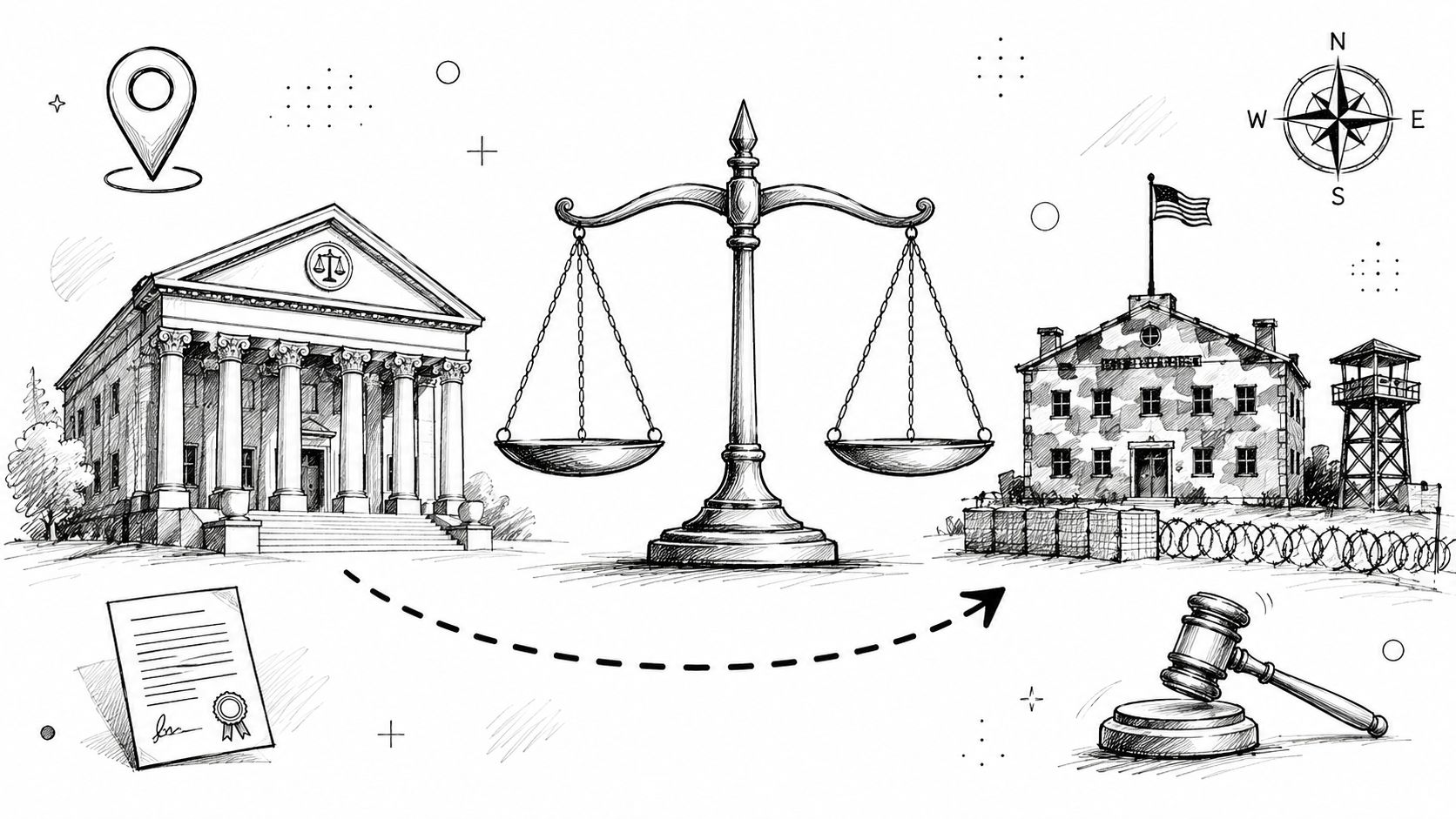
You’re staring at a case that already feels rigged. The alleged incident has spread through the unit, rumors have leaked into the local area, and the command climate is no longer neutral. If your trial stays where everyone already has an opinion about you, you’re fighting uphill before the first witness takes the stand.
A change of venue motion is the tool lawyers use when the current courtroom is poisoned by local prejudice, pretrial publicity, or a command environment that makes fairness a fiction. It is not a formality. It is a strategic move, and the record has to support it. In serious cases, especially court-martial defense, location can shape the outcome as much as the facts.
Table of Contents
- Why Your Trial Location Could Decide Your Fate
- Legal Standards and Grounds for Venue Transfer
- The Hard Truth About Success Rates and Hidden Biases
- Procedural Requirements and Filing Deadlines
- Why Civilian Defense Counsel Is Critical for Venue Motions
- Common Mistakes That Kill Your Venue Motion
- Strategic Decision Framework and Appellate Implications
Why Your Trial Location Could Decide Your Fate
A sergeant at a small installation does not need a jury consultant to see what happens when the town has already picked a side. The incident gets talked about at the gate, in the break room, and on local social media. By the time charges are preferred, the panel pool may already be carrying baggage that no voir dire script can fully remove.
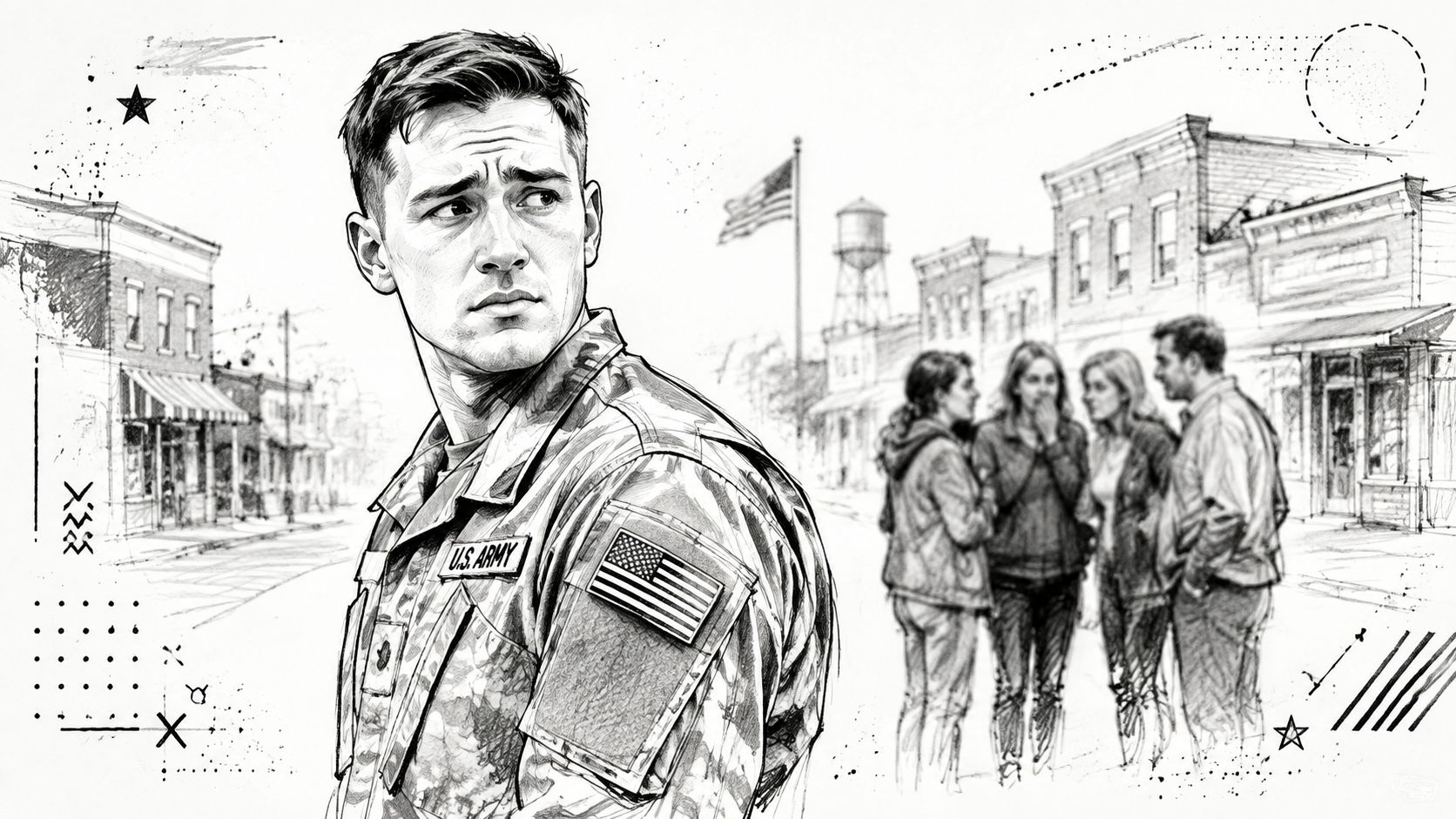
A change of venue motion exists for that kind of problem. In civilian courts, California defines change of venue as transferring a legal action from one county to another for trial, and federal criminal procedure allows transfer “for the convenience of the parties, any victim, and the witnesses, and in the interest of justice” California court change-of-venue guidance. In military practice, the same basic issue shows up fast, a tainted forum does not produce a fair result.
If the local command has already framed the story, the defense has to answer a harder question than guilt or innocence. It has to answer whether the panel can still listen without bias. That is why seasoned military defense lawyers treat venue as an early battlefield issue, not a late cleanup task.
Practical rule: If the room is already against you, do not assume voir dire will fix everything. It usually will not.
For a broader overview of the court-martial process, see this court-martial basics guide. Trial location affects credibility, witness pressure, panel selection, and how the case is perceived from the start. When the local atmosphere is already poisoned, the defense has a harder job and the odds of a straight denial go up fast.
Legal Standards and Grounds for Venue Transfer
A venue transfer serves the right to a fair trial, and the judge will expect facts that support it. That means real prejudice, real logistics, or a real procedural basis. Courts do not move a case because the defense wants a cleaner slate.
Prejudice is the main fight
The strongest venue motion usually rests on prejudice. Local bias, pretrial publicity, and a community climate that has already formed a view can make a fair hearing unrealistic. Federal Rule 21 allows a motion to transfer at or before arraignment, or later if the court or rules allow it Federal Rule 21. That makes venue a threshold issue, and a judge will expect the defense to prove why the current forum is compromised.
Military and federal practice both demand a written motion backed by facts showing bias, prejudice, or a real inability to get a fair trial. In immigration court, EOIR is even more explicit, requiring a written motion with detailed information, service on DHS, and supporting proof EOIR motion requirements. The same discipline applies in court-martial work. Procedure is not busywork. It is how you build a record that survives scrutiny.
The judge is not reading your mind. If you want the venue changed, put the facts on paper and make them hard to ignore.
Command influence can also poison the forum. A case shaped by unlawful command influence gives the defense another line of attack, and the issue deserves its own analysis in this UCMJ guide on unlawful command influence. If the command has already signaled the answer it wants, the defense needs to say so plainly and back it with evidence.
Convenience transfers are different from prejudice transfers
Some venue motions are about convenience, witnesses, or the interest of justice. California’s guidance recognizes that venue can change by county, and federal criminal practice also allows transfer for the parties, victims, and witnesses California court change-of-venue guidance. That is a different theory from prejudice, and counsel should treat it that way.
The defense has to choose the theory carefully. A convenience argument says the case belongs elsewhere because the current forum is inefficient or burdensome. A prejudice argument says the present forum cannot deliver fairness because the local climate is already loaded against the accused. Mixing those theories in a sloppy motion weakens both.
The burden is on the defense
Judges want specifics. In state practice, many rules require affidavits, and Indiana and Tennessee both require sworn facts supporting the request Indiana and Tennessee criminal rule example. That is the model to follow in serious military defense work. A strong motion uses witness declarations, concrete examples of bias, and hard facts about why the current venue cannot produce a fair panel.
That is also where experienced civilian defense counsel earns their keep. The motion has to read like a record for appeal, because weak venue work usually dies in the trial court and stays dead there.
The Hard Truth About Success Rates and Hidden Biases
A venue motion is a betting problem, not a fairness guarantee. File it expecting resistance, because the record shows the defense loses far more often than it wins. In a survey of appellate court transcripts from murder trials in all 50 U.S. states, change-of-venue motions were granted in only 23.5% of cases overall, which means they succeeded less than one-quarter of the time even in serious felony litigation 2000 to 2020 appellate court survey.

The odds are not neutral
That same dataset found wide state-to-state variation, so venue rulings were not uniform across jurisdictions. It also showed that motions were more likely to be granted in smaller-population jurisdictions and when a policeman was the victim. That same dataset makes the point plain, local context matters more than the boilerplate in most motion papers.
A 2024 PubMed demographic study went further. It found that Black and Latino defendants were less successful than White defendants in winning change-of-venue motions, and it confirmed that smaller-population jurisdictions and police-victim cases were more likely to see grants. That is not a neutral picture. Venue rulings can reflect the environment around the case, not just the formal legal standard.
Why this matters in court-martial defense
Most generic guides list filing steps and stop there. That is not enough. The key question is whether your case is the kind of case that gets traction with a judge who has seen these motions denied again and again. Strategic counsel makes the difference between a routine denial and a transfer that survives scrutiny. The motion has to be adapted to the local climate, the panel pool, the publicity, and the facts the government cannot comfortably explain.
For a deeper look at command pressure and unfair influence in military cases, see this UCI and UCMJ guide. The point is blunt. If you file a weak motion, you usually end up in the denial pile. If you file a sharp one, supported by actual proof, you give the judge a reason to take the issue seriously.
Procedural Requirements and Filing Deadlines
Deadlines kill weak venue motions. If you wait too long, the judge reads delay as weakness, not strategy. Filing windows are strict in military practice, and the motion has to be on the court’s desk before the rules close the door. State systems can be even less forgiving, so counsel has to move early and file cleanly.
What the motion needs
The fight is timing and service, not recycled rhetoric. A venue motion only matters if it lands in the right court file, reaches the other side, and gives the judge a reason to treat it as a live issue. As noted in the legal standards section above, some rules demand sworn support, but this section is about getting the paper filed on time and served correctly, not rearguing the substance.
The military lawyer who handles this properly treats the filing like a controlled operation. The motion should go to the court handling the case, the other side should get a copy, and the filing should identify the case posture clearly enough that no one can claim confusion later. If your practice area includes military trial work, a seasoned court-martial defense lawyer knows that sloppy timing gives the government an easy win before the merits are ever reached.
Build the record fast
If you are trying to move a case because the local forum is poisoned, the record has to come together fast. Delay gives the government time to harden its response and frame your request as a last-minute tactic.
- Media coverage: Save headlines, broadcasts, editorials, and repeated storylines that push a one-sided narrative.
- Social media posts: Document public sentiment, threats, and local discussion that show the climate around the accused.
- Command climate evidence: Preserve statements, emails, briefs, and unit-wide messaging that suggest the command has already formed a view.
- Venue logistics: If the motion also relies on convenience, document witness location and travel burdens.
Serve it correctly
Service defects sink strong motions. If the government can attack your filing on a technical mistake, it will. That is standard litigation behavior, and it is why the motion package has to be checked before it goes out the door.
The same discipline applies whether the forum is civilian or military. Serve the right party, serve it the right way, and keep proof that you did it. If the paperwork is sloppy, the judge may never get to the question that matters.
Why Civilian Defense Counsel Is Critical for Venue Motions
A change of venue motion is one of those filings that exposes whether counsel knows how to fight, or just knows how to appear busy. Appointed military counsel can be capable lawyers, but they are often working with limited bandwidth, heavy caseloads, and a chain of command that makes aggressive local-climate litigation harder to push. Civilian counsel is not answerable to that chain.
Independence changes the posture
An experienced civilian UCMJ lawyer can attack the venue problem without wondering who gets irritated by the motion. That matters. Venue litigation often requires saying the quiet part out loud, that the local environment is contaminated and the current forum is bad for the defense. If counsel hesitates, the motion becomes watered down before it reaches the judge.
Civilian court-martial attorneys also tend to bring broader trial exposure across jurisdictions. That matters when the case turns on panel dynamics, publicity, and the judge’s appetite for transfer. A lawyer who has handled these fights before knows what persuades the court and what gets politely denied.
Resources win record-building contests
A real venue motion takes work. You may need community context, media review, affidavits, and sometimes expert support. That takes time and money. It also takes counsel who sees the motion as a serious evidentiary project, not a template.
If the motion is just three pages and a vibe, expect a denial.
The right civilian military defense lawyer will treat venue as part of the defense architecture, not a side issue. That is why experienced defense teams often make better venue records than overburdened counsel juggling everything else. For more on choosing experienced representation, review these court-martial defense lawyers.
Common Mistakes That Kill Your Venue Motion
The mistakes are predictable because the bad filings all look alike. They are thin, late, and unsupported. Judges notice that immediately.
The usual self-inflicted wounds
- Filing too late: If you miss the procedural window, you give the judge an easy out.
- Using conclusory affidavits: Sworn papers that just repeat legal buzzwords do not prove prejudice.
- Relying on speculation: “Everyone knows” is not evidence.
- Ignoring local publicity: If the paper trail is public and hostile, the judge will expect you to prove it.
- Not serving properly: Technical mistakes hand the government a clean response.
- Treating the motion like a checkbox: A venue motion is a strategic fight, not a ritual.
When a defense team files a weak motion, it signals the rest of the case to the prosecution. The government learns that counsel may also be late, underprepared, and easy to push around. That hurts plea negotiation strength and trial posture.
The smart move is to build the motion like it matters, because it does. You don’t get points for effort. You get points for a filing the judge can grant.
Strategic Decision Framework and Appellate Implications
Not every case should spend heavy resources on venue. If the local climate is ugly but the proof is thin, your lawyer may do better focusing on suppression, witness credibility, or panel selection. The right question is whether the venue fight adds value beyond the motion itself.
Use the motion as both shield and record
Even when a venue motion loses, it can still help the defense preserve the issue for later review. That matters in litigation where the local environment is part of the fairness story. A denied motion can become part of the appellate record if counsel has properly documented the facts and argued the standard.
The decision also has practical consequences. A transfer can change witnesses, delay trial, affect negotiations, and force a fresh look at panel composition. Sometimes that helps the defense. Sometimes it just moves the battle. A seasoned lawyer weighs the new forum before asking for it.
Ask these questions before filing
- Will the new venue improve fairness?
- Can I prove local prejudice with real evidence?
- Does the timing help or hurt the overall defense plan?
- Will the motion create useful pressure in negotiations?
- Do I have enough record to survive denial and preserve the issue?
The blunt answer is this. Venue motions are powerful when they are real, and useless when they are theater. A good change of venue motion is one part law, one part evidence, and one part timing. If you’re serious about protecting your career and freedom, treat it that way.
If you are under investigation, facing a court-martial, or already fighting a hostile command climate, do not wait for the trial date to get serious. A weak venue strategy can lock you into the worst possible forum, and that mistake is hard to undo. Contact a seasoned civilian military defense lawyer now, and start building the record before the government hardens its case against you.